Plan your strongest
trail season yet.
Find better ultra trail races, understand what they’re really like, and compare real cost per kilometer.
Browse by distance
FEATURED
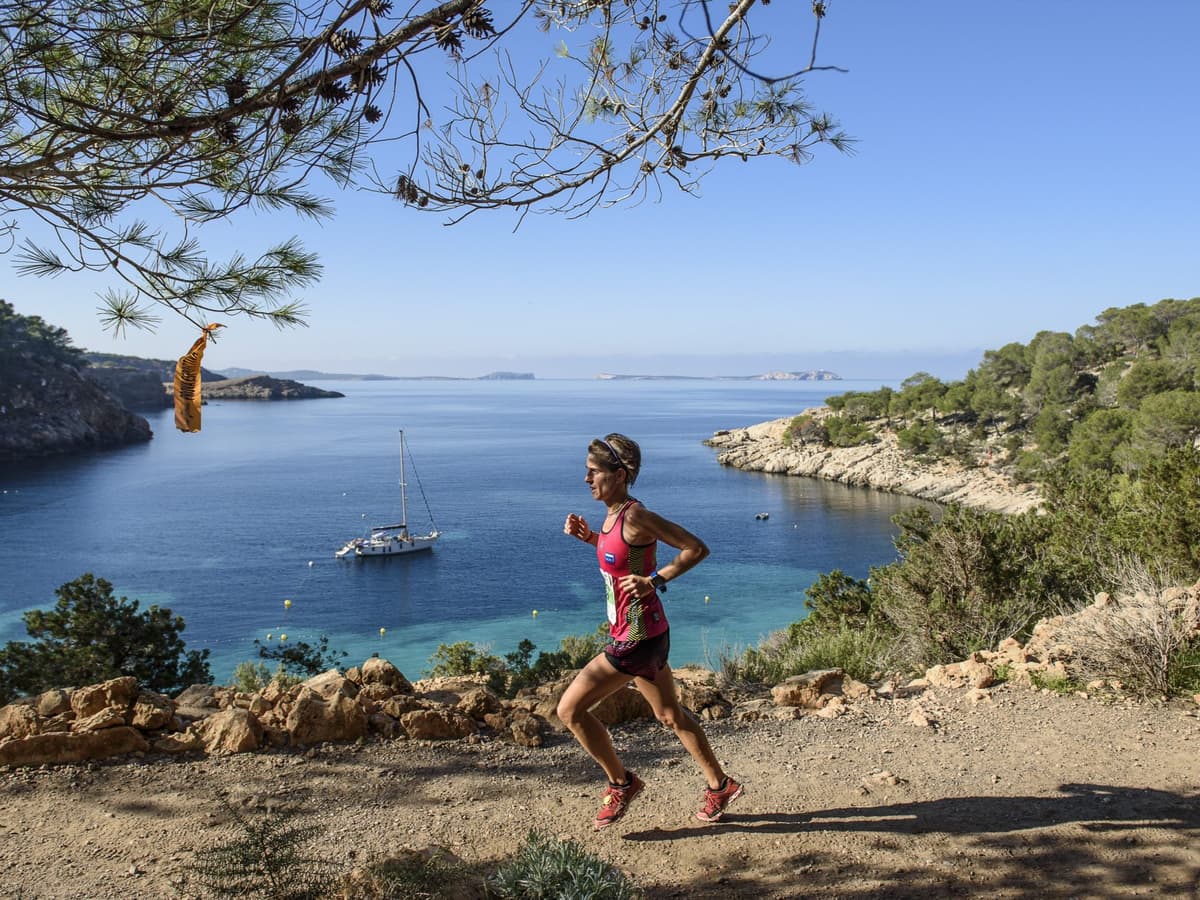
Selected ultras in Europe with an emphasis on good value, culture, and shorter drives from airports.
Sörmlands Trail Run
Dolomiti di Brenta Trail
Lysefjorden Inn Ultra Trail
UTBV Ultra Trail du Beaujolais Vert
Swiss Canyon Trail
Trail des Passerelles du Monteynard (La Grande Course)
Ultra Montseny
Nuuksio Classic
Cluj EcoTrail Ultramarathon
Compare 240+ ultra races across Europe by price, terrain, and real runner insight. Click on the Cost Index
Brutal
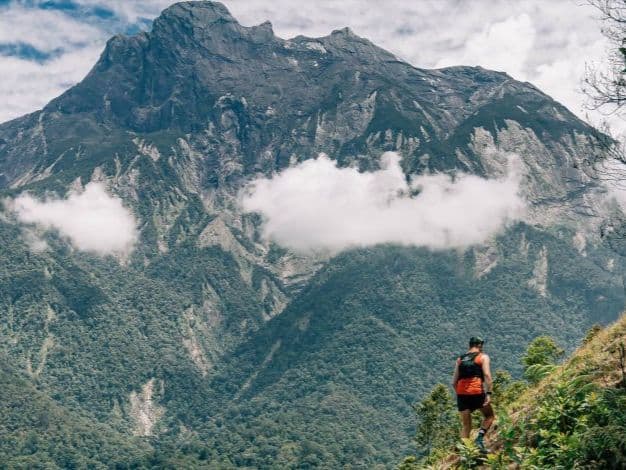
The hardest climbs and toughest ultras you can find.
Remote Destinations
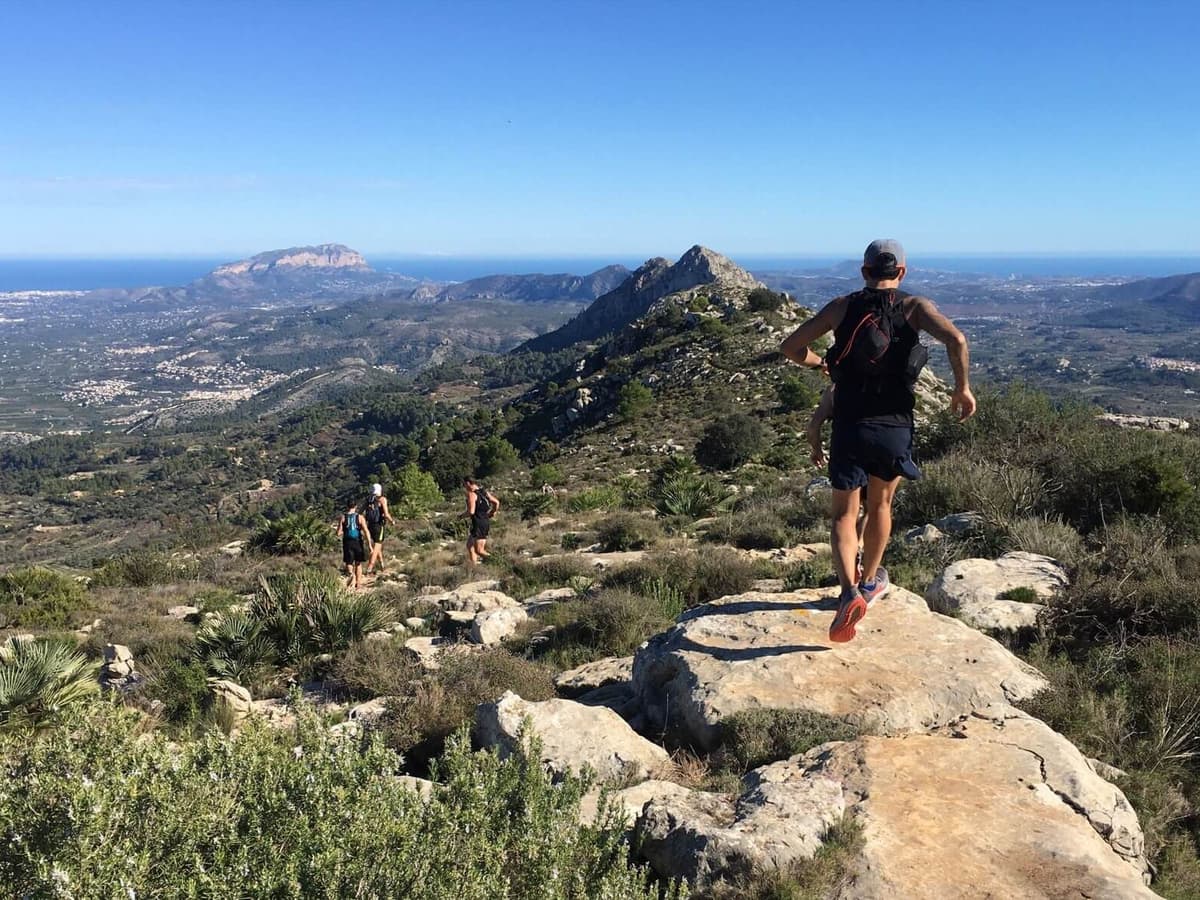
Trail races off the beaten path, 3 hours or more from major airports.
Cost Transparency
Explore the
Cost Index
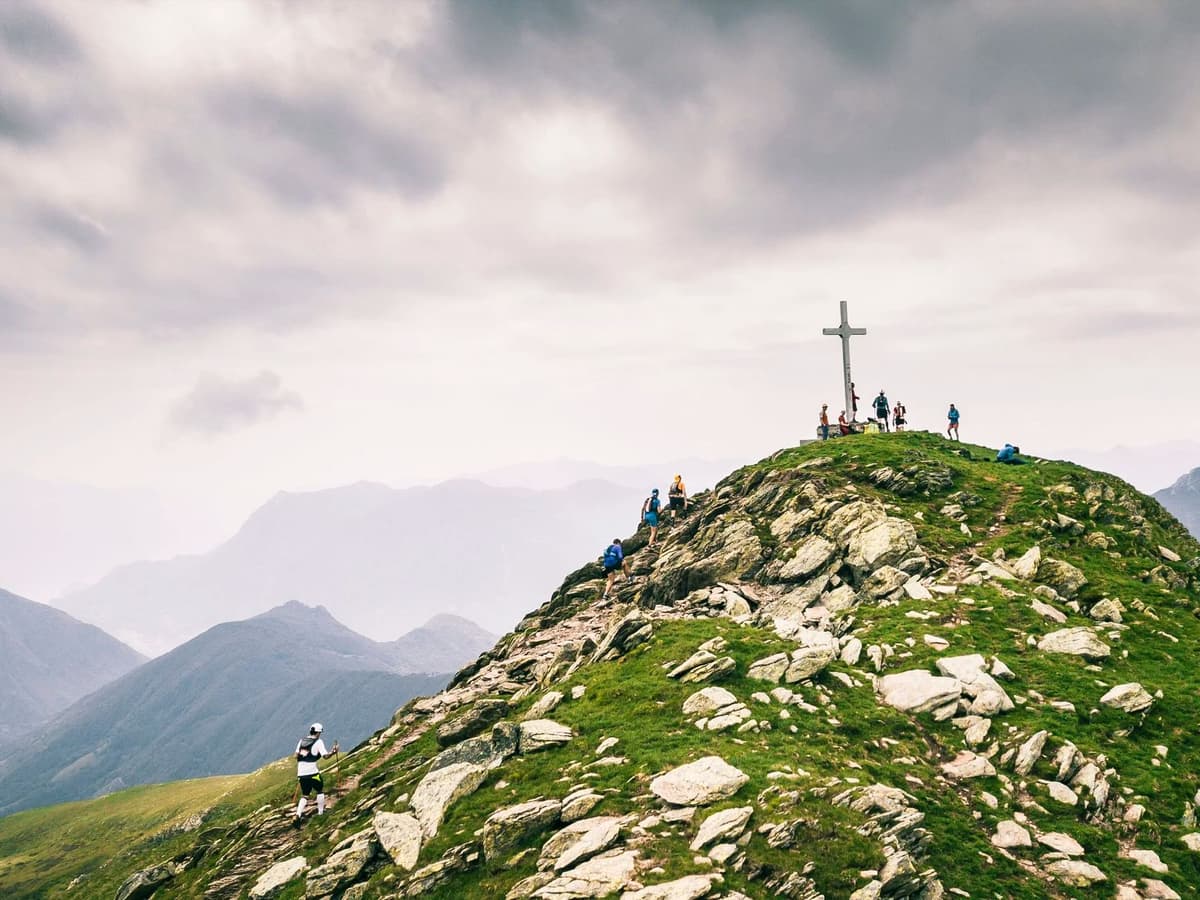
Compare hundreds of races by real price per kilometre. Filter by country, month, and price band to find the right race for your budget and season.
Runner Voice
“Make sure to bring a wind-protection layer and if you are not planning to push hard in the first half — possibly some additional thermal layer, as it can get really cold at kilometer 30 near the Studena Dam.”
Lambrin
Vitosha Super Mountain Trail 100K, 2025 · ITRA 491
Frequently Asked Questions
How is DiscoverTrailRaces different from other trail race finders?
Most race directories try to list everything. We don't. DiscoverTrailRaces focuses exclusively on ultras — trail races of 40km and above — across Europe, with in-depth data on each race rather than a simple calendar entry.
For every race we cover, we try to provide verified GPX data, gradient breakdowns, the top climbs and descents, cost per kilometre, and logistics including drive time from the nearest airport. We look at independent races alongside the well-known ones, and we actively try to surface races that deserve more attention than they get. If a great ultra exists in Scandinavia, Turkey, Bulgaria, or the Spanish Pyrenees, we want to learn about it and share it with the masses.
What is the DTR Database?
The DTR database is a structured dataset of more than 100 variables per race — covering GPX-derived gradient data, elevation profiles, cost per kilometre, logistics, course records, terrain classification, and more. It's updated continuously for the 2026 race season.
It's a living document. Every data point goes through an AI-assisted accuracy review, followed by human validation. In many cases, race organisers themselves help verify specific data points for their events. The goal is to make the numbers on DiscoverTrailRaces as consistent and current as possible — so when you're comparing a race in Austria against one in Portugal, you're working from a reliable baseline, not a scraped approximation.
What does cost per kilometre mean?
Cost per kilometre (€/km) is a standardised number that lets you compare race entry fees on equal terms. We convert all entry fees to euros, then divide the total fee by the total race distance in kilometres.
A 100km race at €200 is not the same value as a 50km race at €200 — the cost per kilometer makes that visible at a glance. The typical range across European ultras in our database is roughly €1.00–€2.50/km. Knowing where a race sits within that range helps you make a more informed decision about what you're paying for.
Why does a lower cost per kilometre matter?
Race entry fees have risen sharply across the industry in recent years. A low €/km doesn't mean a lower-quality race — many of the best ultras in Europe are also among the most affordable. A higher cost-per-kilometer isn't a rip-off either — many alpine races are incredibly hard to run and maintain because costs for safety, emergency response, and insurance can be much higher. All it means is that runners have real options beyond the big-name events.
We also care about the long-term health of trail running as a sport. Races with modest entry fees often run through terrain that's just as compelling as the famous events, with a fraction of the field size. Giving those races more visibility is one practical way to help the sport grow without concentrating everything into a handful of overcrowded venues.
What elevation and gradient data do you provide, and how should I use it?
For every race with verified GPX data, we show: total elevation gain (D+), gain per kilometre (D+/km), percentage of the course that is flat, distance-weighted average uphill and downhill gradient, and the top 3 climbs and descents with their distance, rise or drop, average gradient, and maximum gradient.
The most useful number for training is the average gradient on the biggest climbs. A 10km climb averaging 20% is a fundamentally different effort — and requires different training and fuelling — compared to a 10km climb averaging 8%. Identifying your race's hardest sections and replicating those gradients in training is one of the best uses of this data.
Descent data matters too. A 10% downhill on smooth terrain is a very different experience from a 10% downhill on technical single-track. The gradient data gives you the starting point; race reports and runner interviews add the texture.
What logistical information do you include?
For each race, we provide the nearest airport and IATA code, an estimated drive time from that airport based on Google Maps, and a flag for races more than 3 hours from any major airport.
This information matters most if you're travelling with family, organising pacers, or trying to figure out how many days either side of the race you'll realistically need. A 50km race 45 minutes from a city airport is a completely different logistical undertaking from a 150km race in a remote alpine valley requiring two connecting flights and a four-hour drive.
How do I choose my first ultra — or my next one?
The best race is the one you're most excited to train for. That motivation carries you through months of preparation, and it matters more than any ranking or reputation.
A few things consistently help runners have a good first experience. Starting close to home means you're already training on similar terrain, elevation, weather, and trail surface. Races that are logistically straightforward — close to an airport, with clear accommodation options — reduce the planning burden significantly, which matters when you're already managing training load and taper anxiety.
Over time, as you build experience with different gradients and distances, you'll develop a clearer sense of what kind of race calls to you: flatter and faster, technically steep, remote alpine, or something in between. DiscoverTrailRaces tries to give you the data to make that call honestly rather than based on marketing.

I've never heard of most of these races. How do I know they're good?
That's partly the point. Some of the best ultras in Europe run through terrain that's genuinely world-class, organised by race directors who've been building the course for years, and are almost entirely unknown outside the local trail running community.
We assess races across a range of factors — course quality, terrain, race history, organiser track record, finisher data, and runner reports from previous editions. Our goal over time is to let race directors and past runners speak for themselves, through interviews and race reports that give you a ground-level picture of each event. Conditions change year to year, and we don't control the races themselves. But we try to give you enough honest context that "I've never heard of this" is a reason to look closer, not a reason to skip it.
What's the difference between an independent trail race and a series race?
Series races — events in the UTMB series, Golden Trail Series, World Trail Majors, and qualifier events for races like Hardrock 100 or Western States — are excellent races with deep histories and strong infrastructure. We cover them.
Independent races are often where trail running's best-kept secrets live. The race director may have been shaping the course for a decade. The volunteers are local. The community turns out on race day because this event is genuinely theirs. The atmosphere at a well-run independent race in a small mountain town or forest region is different from a branded event — you tend to feel like a guest in a place that's genuinely glad you came, rather than a consumer at a well-run product.